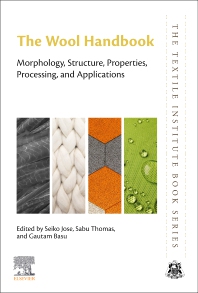
The Wool Handbook: Morphology, Structure, Properties, Processing, and Applications
$34.03
$46.62
Description The Wool Handbook: Morphology, Structure, Property and Application explores the fundamental aspects of wool fibers as well as traditional and novel applications of wool in areas including polymer composites and technical textiles. Apart from textiles and garments, wool has long been used for various diversified applications due to its unique material properties. Wool is inherently fire resistant, antimicrobial, flexible and antibacterial, and as a natural material, it can be used to create environmentally sustainable products. This book explains basic and advanced topics related to wool fibers, from shearing to marketing, drawing on academic and industrial research from a range of subjects. Providing statistics, processing methods, and testing and characterization techniques for wool fiber, this book will help readers to use wool fibers to find new applications and solutions. Key Features Provides advanced testing methods to explore the material characteristics of wool Includes the latest industrial methods for physical and chemical processing of wool Presents case studies on how wool fibers have been made into successful bio-based composite and textile products Readership Researchers in industry and academia with an interest in natural fibres and sustainable textiles Table of Contents 1. Introduction to wool technology: A brief introduction to wool and its processing technology 2. Wool production and statistics, Current market scenario: Recent statistics in wool production, export and imports, current market potential of wool and woollen products 3. Identification of wool fibres 4. Morphology and chemical structure of a wool fiber 5. Morphology studies using microscopic techniques: Advanced microscopic studies in wool 6. Quality evaluation of wool: Methods of evaluation of quality of wool, parameters, important standards 7. Chemical and Physical Properties of Wool 8. Spectroscopic studies on wool fibers 9. Water relationship of wool fibre: Moisture properties of wool 10. Sound insulation properties of wool fiber 11. Thermal properties of wool: Thermal degradation studies, fire retardant properties 12. Pre-processing of wool Fibres 13. Improvement of wool properties through physical and chemical modifications 14. Mechanical finishing of wool for improved property and functionality 15. Wool Dyeing 16. Functional Finishing of Wool 17. The use of wool fiber in technical textiles and recent developments 18. Wool in composites: Wool fibre as a component in bio-composites 19. Anti-shrink finishing of woolens: Shrink resist treatment on woolens using various physical and chemical methods 20. Microbial attack and prevention methods: Microbial attack on wool fiber, causes, and remedies 21. Sustainable Moth Repellent Finishing for Wool 22. Blending of wool with other fibres: Mixing of wool with other natural/synthetic fibres for different applications 23. Keratin extraction and its application: Extraction of wool keratin and application in diversified fields 24. Recycling of wool: Making wool more sustainable 25. By-products during processing of fibre and their use: Generation of by-products during wool processing and their utilization 26. Future prospective of wool and woollen products Available to Pre-Order Published 1st Edition – September 1, 2023